New vehicle drivers grasp lane changes and identical car park due to the fact that examinations demand it. What the examination seldom measures is how calmly and competently somebody reacts when the automobile stops smoking on the shoulder, or when a bicyclist drops beside them on a wet contour. The difference between panic and poise commonly comes down to first aid training. With the right habits, a basic package in the boot, and a capability that includes CPR and bleeding control, a new driver comes to be greater than a vehicle driver. They become a risk-free set of hands in an unforeseeable environment.
Why first aid belongs in every collection of auto keys
Roadside emergencies present a specific mix of dangers and time stress. You have relocating web traffic, minimal space, ecological dangers like warmth or chilly, and injuries that range from small cuts to heart attack. Many results depend upon actions absorbed the first three to 5 mins. Stopping significant blood loss, opening up a respiratory tract, or positioning a person in the recuperation setting can protect against degeneration until specialist assistance gets here. Also small choices, such as where you park or how you set out advising triangulars, alter the danger account for every person on scene.

I educate first aid and CPR courses numerous weekends a month, and I typically hear the same thing from brand-new drivers after a practice circumstance. They anticipated first aid to be a list of medical actions. They did not anticipate how much of it was about scene security, interaction, and management. When traveling, these basics matter as much as hand positioning throughout upper body compressions.
The state of mind that maintains mayhem from spreading
The ideal first aid training infuses a straightforward sequence: analyze, act, adapt. Beginning with on your own and the scene, after that the casualty, then recurring dangers. A chauffeur that has actually exercised this can filter noise, make a preliminary strategy, and avoid the usual mistake of rushing straight to the wounded individual without looking for real-time web traffic, gas, or fire.
A short example makes it concrete. I when trailed a learner on a night drive when a car clipped a roo and swerved into a ditch. The student drew over neatly, then opened the door while still fifty percent in the online lane. I quit him, we moved even more in advance, angled the wheels away from the road, activated hazard lights, and only then stepped out. That time out to create a safer work area maintained our bodies out of a high-speed funnel. If that were the only lesson from a first aid course, it would still deserve the fee.
Building your roadside strategy before you require it
Preparation has two layers, mental and product. The psychological layer is a pierced regimen for just how you come close to any type of roadside occurrence. The product layer is the set you maintain in the automobile and recognize just how to make use of. With each other they shorten the moment to helpful action.
Think of a roadside strategy as a brief, repeatable script you can run under anxiety: setting, safeguard, call, care. Setting the vehicle for safety. Secure the scene with lights and signs. Call emergency situation services with clear details. Care for casualties using first aid fundamentals: respiratory tract, breathing, flow, and special needs checks. In practice this script takes https://griffinbdmw548.fotosdefrases.com/just-how-to-pick-the-very-best-cpr-training-for-your-demands much less than a minute to begin, and it maintains you from skipping steps when adrenaline tightens your focus.
A good first aid course or a combined first aid and CPR course will certainly give you that manuscript, pressure-tested with situations. Novices benefit from realistic drills that include loud web traffic sound, low light, or a substitute fuel odor. Repetition matters. After three or four runs, the series feels natural.
Your vehicle's first aid package that in fact works on the roadside
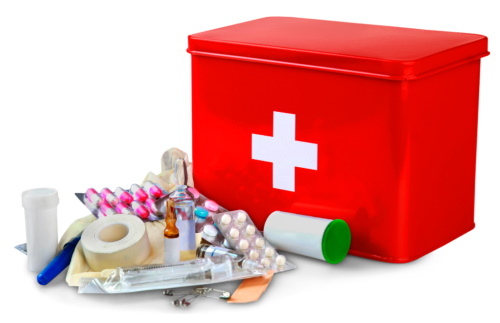
A bloated package can be as useless as an empty handwear cover box if you can not locate what you require. I have actually settled on a small, clear-pouched kit that lives under the front passenger seat. It favors products that deal with regular issues or acquire time in severe cases.
- Gloves, eye security, and a basic face mask. Obstacle defense maintains the assistant in the video game when liquids are present. Large trauma dressings and 2 tourniquets. Roadway injuries bleed, and straight pressure plus a tourniquet can be lifesaving when a limb is involved. Triangular bandage and roller bandage. Versatile for slings, splints, and securing dressings. Trauma shears. Cut apparel swiftly to discover wounds, cost-free seat belts, and shape dressings. Foil emergency covering. Quiting shock is not just about bleeding control. Warmth helps.
This is the very first of just 2 checklists in this write-up. Everything over match a little bag. Include a pocket torch, a pen, and a couple of glue dressings for minor cuts. If you on a regular basis drive with children or older adults, slip in an added pair of nitrile gloves and a 2nd blanket. The spare blanket functions as color on warm asphalt when you kneel beside a casualty.
Training issues more than equipment. I have actually watched an inexperienced onlooker look at a tourniquet as though it could attack, while priceless mins ticked by. The same individual, after a solitary concentrated session in CPR training and blood loss control, applied one smoothly in a later circumstance. Equipment magnifies expertise, it hardly ever replaces it.
First moments at the scene: just how to set the stage for safety
The first thirty seconds can determine whether the event improves or even worse. New chauffeurs need to develop a routine pattern that sets off without debate.
Approach slowly and assume like another chauffeur who can not see what you see. Use danger lights early. If you need to stop, draw past the event so your automobile guards the scene, after that angle your wheels far from website traffic in situation you are struck from behind. During the night, a torch swung low and side to side reads far better to approaching drivers than a frenzied overhead motion.
When you step out, breathe and run a fast check for gas scent, smoke, electricity lines, and surface threats like a ditch or loose gravel. If something really feels incorrect, back off and reposition. Most first aid errors occur when assistants hurry the beginning. The repair is a practiced pause.
Once you decide it is risk-free enough to aid, provide yourself a working bubble. If you carry a high-visibility vest, put it on. Maintain travelers in the secured cars and truck unless they have a job. Assign straightforward jobs. Someone calls emergency solutions. One more retrieves the first aid kit and a covering. Clear tasks decrease bystander drift and maintain you focused on the casualty.
Calling for assistance that arrives ready
The distinction between an unclear and a crisp phone call to emergency services can be five minutes of feedback time and much better appropriation of resources. Speak gradually. Start with the location, consisting of instructions of travel and the local pen you can recognize. Mile markers, bridge names, leave numbers, and general practitioner works with from a smart device all help. If you are between communities, offer range and instructions from the last indicator you passed.
State the variety of vehicles and people involved, and flag any time-sensitive issues: trapped guest, significant bleeding, less competent person, fire risk. If you have begun CPR, state so. That line alone can increase the dispatch of the closest system with defibrillation ability. A first aid pro finds out to believe in those terms since it aids the system assistance you.
Keep the line open till the operator releases you. If your phone battery is low, discuss it, and ask if an additional onlooker can keep the phone call alive. Do not hang up to film. Proof rarely exceeds treatment in the first minutes.
Triage at the roadside: who needs you first
When greater than a single person is injured, prioritization comes to be uneasy however needed. The rule of thumb that I educate brand-new motorists is simple: breathing and blood loss first, then brains and bones. If someone is unresponsive and not breathing generally, begin valid first aid certification CPR. If someone is spurting or merging blood, apply straight stress high and hard, then use a tourniquet if stress is insufficient. If an individual is breathing but less competent and you see no severe bleeding, open up the airway, check for normal breathing, and put them in the healing placement if safe.
This series is not stiff. You adjust based on what the scene offers you. For example, if you think a back injury yet needs to choose in between strict back alignment and clearing the respiratory tract, you pick the air passage. Hypoxia kills faster than most spinal cord issues. That judgment call comes to be much easier when you have exercised it in a first aid and CPR course where trainers push you via unpleasant scenarios and debrief decisions afterward.
CPR on tough ground, with traffic nearby
CPR on the roadside has two primary challenges, surface and interruption. Compressions work best on a company surface area. If the person is in a car seat and less competent without typical breathing, you require to obtain them onto the ground if you can do it safely. Glide the seat back, recline it, and with help, overview the individual out while sustaining the head and neck as finest you can. Do not lose time trying to make it ideal if mins are passing without compressions.
Once on the ground, kneel where you have stability. Traffic wind can buffet your equilibrium. Place the heel of your hand in the facility of the breast, other hand on top, shoulders over your hands, and press set. The acquainted target of 100 to 120 compressions per minute still holds, about the beat of numerous songs. Depth matters more than accuracy to the closest millimeter. Aim for a 3rd of the chest depth in an adult.
If you have trained with a CPR course recently, you will remember the rhythm and body mechanics. If you have not, do not allow excellence stop you. Push, enable complete recoil, decrease stops briefly, and switch compressors every 2 mins if one more trained individual exists. If a public access defibrillator neighbors, send out someone to fetch it. Lots of filling station and recreation center along significant roads currently bring AEDs. They are made to talk you through the process. Expose the chest, stick the pads as shown, comply with the prompts.

A quick narrative stays professional onsite first aid training with me. A P-plater drew into a country kerb on a winter months mid-day when a jogger fell down in advance of him. He had completed a CPR correspondence course three months earlier. He began compressions within a minute, asked a neighbor for an AED, and proceeded up until paramedics got here. The jogger endured. The paramedic later informed him that by the time they delivered the very first shock, they were improving flow that somebody else had actually already started. That is the power of practice.
Bleeding control that purchases time
Road crashes generate lacerations and limb injuries where bleeding runs quick. Your first relocation is still straight stress. Plant your gloved hand with a heap of clothing or folded towel straight over the source and press hard. If the dressing soaks via, include a lot more on top. Do not peel off the initial layer off; you risk damaging very early clots.
If bleeding continues to be hefty from a limb, apply a tourniquet 2 to 3 inches above the wound, not over a joint, and tighten up till bleeding quits. It will certainly hurt. Explain that pain indicates it is functioning. Mark the time if you can. Avoid improvisated string tourniquets. They can wound cells without stopping the bleed. Modern windlass tourniquets are portable and low-cost. 2 live under my passenger seat since I have actually seen how usually one is not nearly enough when injuries are high up on the thigh.
In a first aid training environment, teachers frequently reveal the distinction good method makes. A tourniquet used securely enough to stop a pedal pulse in a controlled drill prevents continuous blood loss in the real world. The most typical error is to quit tightening when the individual whines. Stay tranquility, maintain transforming up until bleeding stops.
Airway, breathing, and the recovery position
Many roadside casualties are semi-conscious and breathing but gurgling or snoring. That audio suggests a partially blocked airway. A gentle head tilt and chin lift can open the air passage. If you presume spine injury, use a jaw thrust if you understand how. If vomit or blood pools in the mouth, roll the person onto their side in the healing position. This secures the airway far better than any ambition threats from the roll itself.
The recovery setting is easy and durable. Move the arm closest to you out at an ideal angle, bring the far knee up, position the much hand across the upper body with the rear of the hand against the cheek, after that pull the knee towards you while safeguarding the head. Once they are on their side, change the head tilt to keep the air passage open and examine breathing. Cover them with the foil covering to protect heat, specifically on chilly asphalt that can sap warm ten times faster than air.
Spinal concerns in the genuine world
Drivers discover to fear spine injuries, and appropriately so. What they often miss is the trade-off between suitable immobilization and actual restrictions. If an aware person continues to be seated in a steady car, complains of neck discomfort, and can preserve their own air passage, sustain their head in a neutral setting and encourage stillness. Do not haul them out unless there is instant danger, such as fire or climbing water. A first aid and CPR course will educate you easy hands-on in-line stablizing: hands on either side of the head, gentle stable support, no traction.
If you should relocate a person because the car is harmful, interact plainly, hire helpers, and use a controlled aid rather than a stressed yank. The objective is to move the individual in one line. Better a slightly incomplete action with three helpers who know the plan than a solo pull that twists the neck. New vehicle drivers that practice a couple of safe-exit drills in training shed the concern that leads to rough improvisation.
When the individual is a kid, an older adult, or a pet
Edge instances make complex the roadside. Youngsters and older grownups are extra susceptible to temperature extremes and shock. A kid's air passage swells quickly. If a kid is conscious and breathing after a collision, prioritize heat and mild peace of mind while you keep an eye on breathing. For CPR, the compression depth and strategy change with age and size, but the concept is the same: push hard enough to relocate blood, at a stable pace, and do not delay.
Older grownups might under-report pain, especially after low-speed accidents that still break ribs or hips. Watch their breathing, look for upper body inflammation, and deal with for shock even if their skin really feels warm. A peaceful older guest might be wandering into damage while everyone fusses over the driver's noticeable cuts.
Pets develop risks of their very own. Even pleasant pets can attack when frightened. If a pet is in the cars and truck, ask the proprietor to restrain it. If that is not feasible, develop space. Your safety and security comes first.
Heat, cool, and the lengthy wait
Urban collisions frequently deal with rapidly. Rural or coastal roads can stretch waiting times previous thirty minutes. Environmental protection becomes part of first aid. On hot days, shade the casualty with a coat or a sunshade eliminated from your windscreen. Deal sips of water just if the person is completely alert and unscathed in the abdomen, and never ever if you think they might most likely to surgical treatment soon. On cold evenings, insulation from the ground matters as long as a blanket ahead. Slide a floor mat or folded coat under the person. Shivering is an indicator the body is attempting to maintain; if it stops and the person becomes passive, hypothermia is advancing.
If you remain longer than 10 mins, build a rhythm. Reflect on the air passage and breathing every couple of minutes. Check hemorrhaging under dressings. Update emergency situation services if the scenario adjustments. Revolve assistants if a person reveals signs of shock or emotional overload. Calm leadership protects against errors as high as clinical skill.
What official training offers new drivers that videos do not
You can discover the names of strategies on a display. You build judgment in a room with a teacher that sees your hands and corrects your timing. An excellent first aid and CPR course consists of:
- Hands-on CPR training with feedback on deepness and price, consisting of grown-up and child variations. Bleeding control with real tourniquets and pressure techniques, not just theory. Scenario drills that imitate roadside threats, sound, and minimal light. Communication practice, from emergency situation contacts us to directing bystanders. Assessment and healing position work with companions of different sizes.
This is the second and last listing in this short article. If spending plan or time is tight, look for short-format CPR courses or a CPR correspondence course that matches a night. Many carriers release a first aid certificate after a combined first aid and CPR course that runs one day, often with on the internet pre-learning. Instructors who have dealt with ambulances or in emergency situation departments can layer in field facts you do not get from a slide deck.
I have had learners tell me they only joined since their employer needed it, then later on confess that the roadside scenarios were one of the most important part. Method resets your nerve system. The very first time you position pads from an AED or crank a windlass tight enough to quit a substitute bleed, you confirm to on your own that your hands will function under pressure.
The lawful and moral frame
Many jurisdictions have Do-gooder protections for spectators that act in great belief within their degree of training. That expression issues. If you have first aid training, give the treatment you have actually been educated, do not assert to be greater than you are, and turn over to specialists without delay. Get approval when the individual is mindful and capable. If they reject care but continue to be in jeopardy, preserve a safe presence and call for assistance. For a less competent person, permission is implied.
Avoid social networks. Recording breaches personal privacy and can sidetrack you from treatment. Keep notes instead if you should keep in mind times and searchings for. The handover to paramedics boosts when you can say, I used a tourniquet at 4:22 pm, or She was taking a breath 16 times a minute ten minutes ago and now it is 10.
Mistakes I see frequently, and exactly how to avoid them
Three patterns recur. First, poor positioning of the vehicle creates a secondary risk. Fix it with that said very early time out and a behavior of pulling past and securing. Second, helpers kneel down and never ever search for once more. Repair it by appointing a lookout who cautions of approaching traffic drifting toward the scene. Third, individuals take too lightly shock. A casualty who jokes and urges they are fine can be an hour away from collapse if they have interior blood loss. Fix it by viewing skin color, temperature, and mental clearness, and by keeping them cozy and still.
Another subtle blunder is speaking too much and doing insufficient. Language can relieve, but hands quit hemorrhaging and open airways. If you discover on your own providing long descriptions, reduce them to brief, constant statements coupled with action. I am going to tilt your head to assist you take a breath. You will certainly really feel pressure on your leg. I need you to stay with me and consider that tree.
After the alarms: caring for yourself
New motorists usually replay their first roadside emergency on a loop for days. That is regular. The body comes down from adrenaline in waves. Consume, hydrate, and rest if you can. Document what you did and what you could change next time. If intrusive photos linger or you really feel numb or tense for more than a week, talk to a person, ideally a counselor familiar with crucial events. Excellent first aid training also covers mental first aid and the assistant's health for specifically this reason.
If you used products, replenish the kit within a day. If you saw something missing, include it while the memory is fresh. Think about booking a refresher. Skills discolor within months without practice. Brief CPR courses or blended first aid courses that include online modules followed by a practical session aid maintain the hands honest.
The quiet confidence that alters the road
A new driver with a small set and a first aid certificate does not look any type of various from various other motorists in traffic. The distinction emerges in those rare minutes that specify how a case unfolds. They position the vehicle with intent. They talk plainly to emergency situation services. They place on gloves without fumbling. Their hands land in the best position on a sternum, or they tighten a tourniquet without apology. They discover the spectator standing too close to the lane and relocate them back two paces.
Skills substance. One CPR training session reduces doubt. A first aid and CPR course that includes bleeding control and scene monitoring turns you from a spectator right into a qualified first responder until the experts show up. For brand-new vehicle drivers that want to lug their share of safety and security when driving, that is the most effective upgrade you can include in your license.